

Families who drive a seven-passenger SUV on Long Island and Hudson Valley roads are managing more variables than the average commuter: more passengers, more distraction, and more responsibility for the people in every row. The Subaru Ascent’s EyeSight driver assistance system addresses those variables directly, and understanding exactly what it does helps you decide whether it’s worth the trim step to access it.
Bottom Line: EyeSight on the Ascent bundles adaptive cruise control, pre-collision braking, lane departure warning, and lane-keep assist into one camera-based package. For Wappingers Falls families on the Taconic or Meadowbrook Parkway commuters managing a full load of passengers, EyeSight is one of the most practically valuable safety upgrades available in this vehicle class.
- EyeSight is standard on Ascent Premium ($40,195) and all higher trims - not on Base
- The system uses dual front cameras, not radar - clear windshield conditions are essential for optimal function
- IIHS has rated Subaru EyeSight “Superior” in front-crash prevention testing
What EyeSight Does in the Ascent
EyeSight on the Ascent operates identically to the same system on the Forester and Outback - it is a brand-wide technology platform, not a vehicle-specific variation. Four functions work together:
Pre-Collision Braking monitors the road ahead continuously. When the dual front cameras detect an object in the vehicle’s path at speeds between approximately 3 mph and 85 mph, the system first alerts the driver visually and audibly. If the driver doesn’t respond in time, the system applies the brakes automatically to reduce impact severity or avoid the collision entirely. In IIHS testing, this system has consistently earned “Superior” ratings across multiple test years.
Adaptive Cruise Control maintains a set following distance from the vehicle ahead rather than a fixed speed. For Wappingers Falls and Poughkeepsie commuters on the Taconic State Parkway, this function manages the deceleration and acceleration cycles of stop-and-go traffic automatically, reducing driver fatigue over long commutes.
Lane Departure Warning alerts the driver when the vehicle crosses a lane marking without a turn signal. On the narrower rural roads of Dutchess County or the busy merge zones on the Meadowbrook Parkway, this prevents the gradual drift that happens during distracted driving.
Lane Sway and Drowsiness Monitoring analyzes steering input patterns over time and alerts the driver when they indicate distraction or fatigue. This is particularly relevant on long drives from Long Island to Hudson Valley and back.
For a complete overview of the Ascent as a vehicle, see our Subaru Ascent complete guide.
Why EyeSight Matters More in a 7-Passenger SUV
A fully-loaded Ascent with seven passengers and cargo weighs significantly more than a two-passenger commuter vehicle. Greater mass means longer stopping distances - which makes forward-collision mitigation technology more consequential in the Ascent than in lighter vehicles.
Pre-collision braking that activates earlier and applies more force during an event is more valuable in a heavier vehicle. The physics of a 4,400-pound SUV stopping versus a 3,200-pound sedan mean that every foot of stopping distance reduction matters more in the larger vehicle.
Blind-spot detection (also included from Premium trim) adds a critical layer for family hauling. Changing lanes on the LIE or Northern State Parkway with passengers in every row and cargo blocking the rear view is exactly the scenario where blind-spot monitoring provides the most practical benefit.
EyeSight Across Ascent Trims
| Trim | MSRP | EyeSight | Blind-Spot | Rear Cross-Traffic |
|---|---|---|---|---|
| Base | $37,095 | - | - | - |
| Premium | $40,195 | Yes | Yes | Yes |
| Onyx Edition | $43,195 | Yes | Yes | Yes |
| Limited | $46,295 | Yes | Yes | Yes |
| Touring | $50,595 | Yes | Yes | Yes |
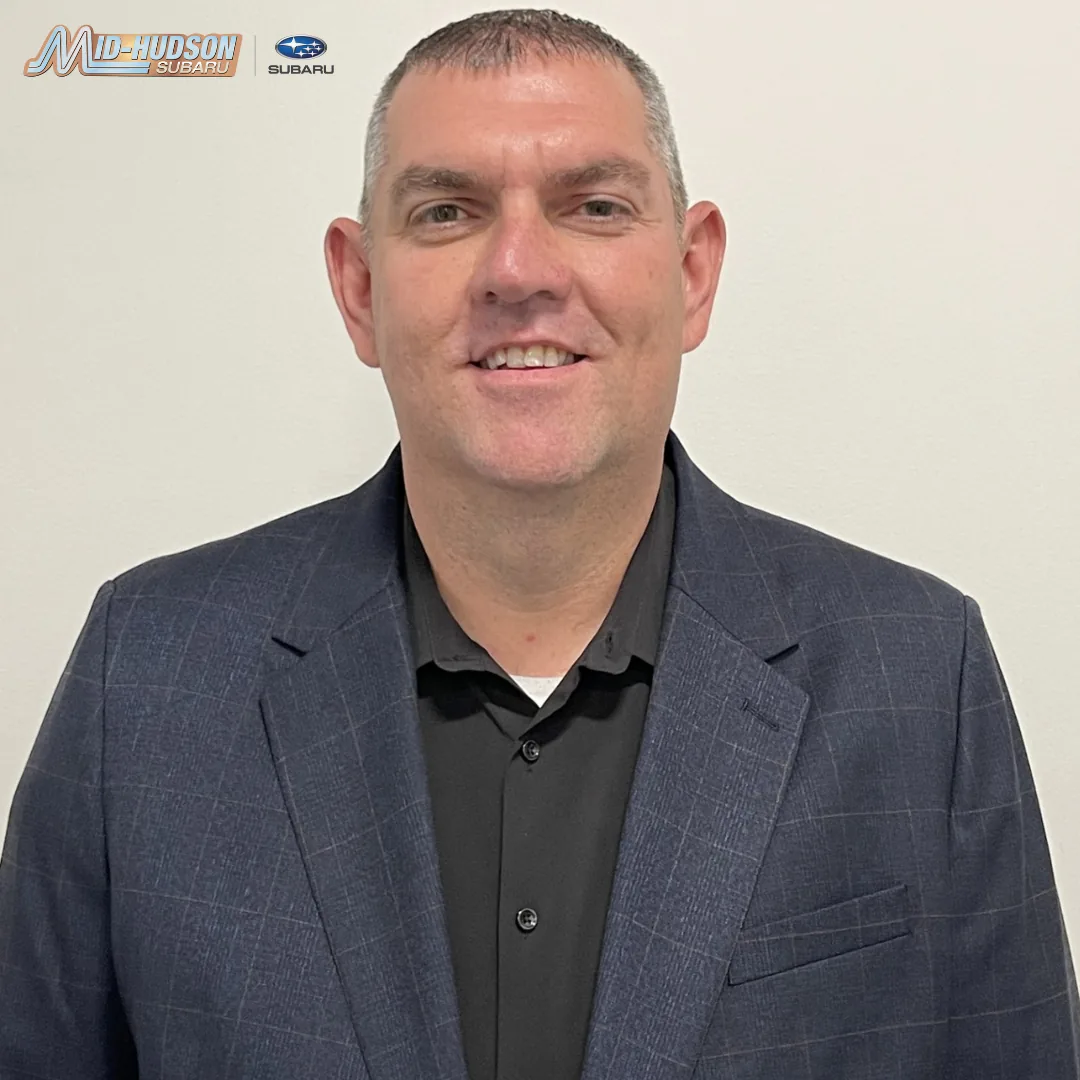
"Families driving the Ascent in the Hudson Valley see a lot of different road conditions - tight Taconic curves, Route 9 commercial traffic, and rural intersections with limited sight lines. EyeSight earns its place here. The pre-collision system especially - once you've had it, you don't want to go back to driving without it."
General Manager, Mid Hudson Subaru
EyeSight in Real Hudson Valley and Long Island Driving
On the Taconic State Parkway between Wappingers Falls and Poughkeepsie, adaptive cruise control manages the parkway’s variable speed zones and frequent traffic fluctuations. The pre-collision system’s camera range covers the typical following distance on that road well within its operating parameters.
On Long Island’s busier arteries - the LIE, Northern State, and Meadowbrook - lane departure and lane-keep assist reduce the cognitive load of high-density commuting. For parents managing conversations with kids in three rows while driving, that reduction in required attention is functionally significant.
The NHTSA’s research on advanced driver assistance systems consistently shows that pre-collision warning and braking systems reduce real-world rear-end crash rates - the most common collision type in dense commuting environments like Nassau County and Dutchess County.
Windshield Maintenance and EyeSight Performance
One practical consideration for Hudson Valley winters: the dual cameras are positioned behind the windshield near the rearview mirror. When the windshield ices over, the cameras cannot see properly, and EyeSight will disable its active features until conditions improve.
Before winter morning drives, completely clearing the windshield in the camera zone is essential for EyeSight to function from the moment you pull out of your Wappingers Falls or Fishkill driveway. The system clearly notifies the driver when visibility is compromised rather than operating with degraded performance.
Any windshield replacement also requires EyeSight camera recalibration at a Subaru service center - a detail worth remembering if you ever need glass work.
Explore the Ascent with EyeSight: browse available inventory at Mid Hudson Subaru in Wappingers Falls.
Ascent EyeSight FAQ
Does the base 2026 Subaru Ascent have EyeSight? No. EyeSight is standard on the Ascent Premium ($40,195) and all trims above it. The Base trim at $37,095 does not include EyeSight or blind-spot detection.
Is EyeSight the same on the Ascent as on the Forester and Outback? Yes. EyeSight is a brand-wide platform that operates identically across Subaru vehicles. The system has the same features, camera setup, and IIHS performance record on the Ascent as on smaller Subaru models.
Does EyeSight include parking assistance? EyeSight itself covers forward-facing safety functions. Parking assistance - specifically the 360-degree around-view monitor - is a separate feature that becomes standard on Ascent Limited and higher trims. They are complementary but distinct systems.
What happens to EyeSight in heavy rain or snow? EyeSight’s cameras can be impaired by heavy precipitation, ice, or road grime on the windshield. The system will alert the driver when it detects compromised conditions and disable active features. This is a design choice for safety - it will not operate incorrectly when conditions are marginal.
Is the $3,100 upgrade from Base to Premium worth it for EyeSight alone? The Premium trim also adds heated front seats, a power moonroof, and blind-spot monitoring alongside EyeSight. The full package represents strong value. For a family-focused Ascent, skipping EyeSight on a seven-passenger SUV is rarely the right call.
Visit Mid Hudson Subaru in Wappingers Falls
Mid Hudson Subaru serves Dutchess County and the Hudson Valley from its Wappingers Falls location, with easy access from Poughkeepsie, Fishkill, and Beacon. The team can demonstrate every EyeSight feature during a test drive on local roads.
Schedule an Ascent test drive or contact Mid Hudson Subaru with questions before your visit.
Ready to see it in person? Visit any of our VIP Automotive Group Subaru locations:
Safety data sourced from NHTSA vehicle ratings and IIHS crash test results.