
Subaru EyeSight is one of the most highly rated driver assistance systems in the compact SUV segment, but many buyers still aren’t sure what it actually does or which Forester trims include it. The short answer: EyeSight bundles four distinct safety technologies into one package, and it becomes available starting with the Forester Premium trim.
Bottom Line: EyeSight is a suite of camera-based safety features - not a single function. It includes adaptive cruise control, pre-collision braking, lane departure warning, and lane-keep assist. For Hudson Valley commuters on Route 9 or Long Island drivers on the LIE, it’s one of the most practically useful upgrades available in this price segment.
- EyeSight requires the Forester Premium trim ($30,195) or higher - it is not on the base trim
- The system uses two front-facing cameras rather than radar - which affects performance in heavy rain or snow
- IIHS has rated EyeSight as one of the top-performing ADAS systems in front-crash prevention testing
What EyeSight Actually Includes
EyeSight is a branded package that combines four driver assistance technologies under a single system. Understanding each one helps clarify how the system behaves in real driving conditions on Long Island and in the Hudson Valley.
Pre-Collision Braking monitors the road ahead using dual front cameras. When the system detects an imminent collision at speeds between approximately 3 mph and 85 mph, it first alerts the driver and then applies the brakes automatically if the driver doesn’t react. In IIHS testing, EyeSight has consistently earned “Superior” ratings in front-crash prevention at both low and high speeds.
Adaptive Cruise Control maintains a set following distance from the vehicle ahead, accelerating and decelerating automatically to match traffic flow. For Wappingers Falls and Poughkeepsie commuters on the Taconic State Parkway or Route 9, this function substantially reduces stop-and-go fatigue on congested stretches.
Lane Departure Warning alerts the driver when the vehicle crosses lane markings without a turn signal active. On narrow Dutchess County roads or the parkways of Nassau County, where lane markings can be worn or obscured by rain, this adds a meaningful safety layer.
Lane Sway and Drowsiness Warning monitors steering behavior over time and alerts the driver when it detects patterns consistent with distracted or fatigued driving. Long Island to Hudson Valley drives are among the more fatiguing commutes in the region, making this particularly relevant.
For a complete look at the Forester as a whole package, see our Subaru Forester complete guide.
How the Camera System Works
EyeSight uses two stereo cameras mounted near the rearview mirror rather than the radar sensors used by some competitors. This camera-based approach gives EyeSight strong object-recognition capability but creates one meaningful limitation: performance can degrade in heavy rain, snow, fog, or when the windshield is dirty.
Subaru recommends keeping the windshield clear directly in front of both cameras at all times. In a Long Island winter storm, that means clearing ice and snow from the windshield before engaging EyeSight functions. The system is designed to alert the driver when visibility is compromised rather than operating incorrectly.
In dry conditions and light precipitation, the camera system performs reliably. Subaru’s own testing and third-party IIHS evaluation both confirm that EyeSight performs consistently across a wide range of speed scenarios.
EyeSight Across Forester Trims
| Trim | MSRP | EyeSight | Blind-Spot |
|---|---|---|---|
| Base | $27,895 | - | - |
| Premium | $30,195 | Yes | Yes |
| Sport | $32,195 | Yes | Yes |
| Limited | $35,595 | Yes | Yes |
| Touring | $39,895 | Yes | Yes |
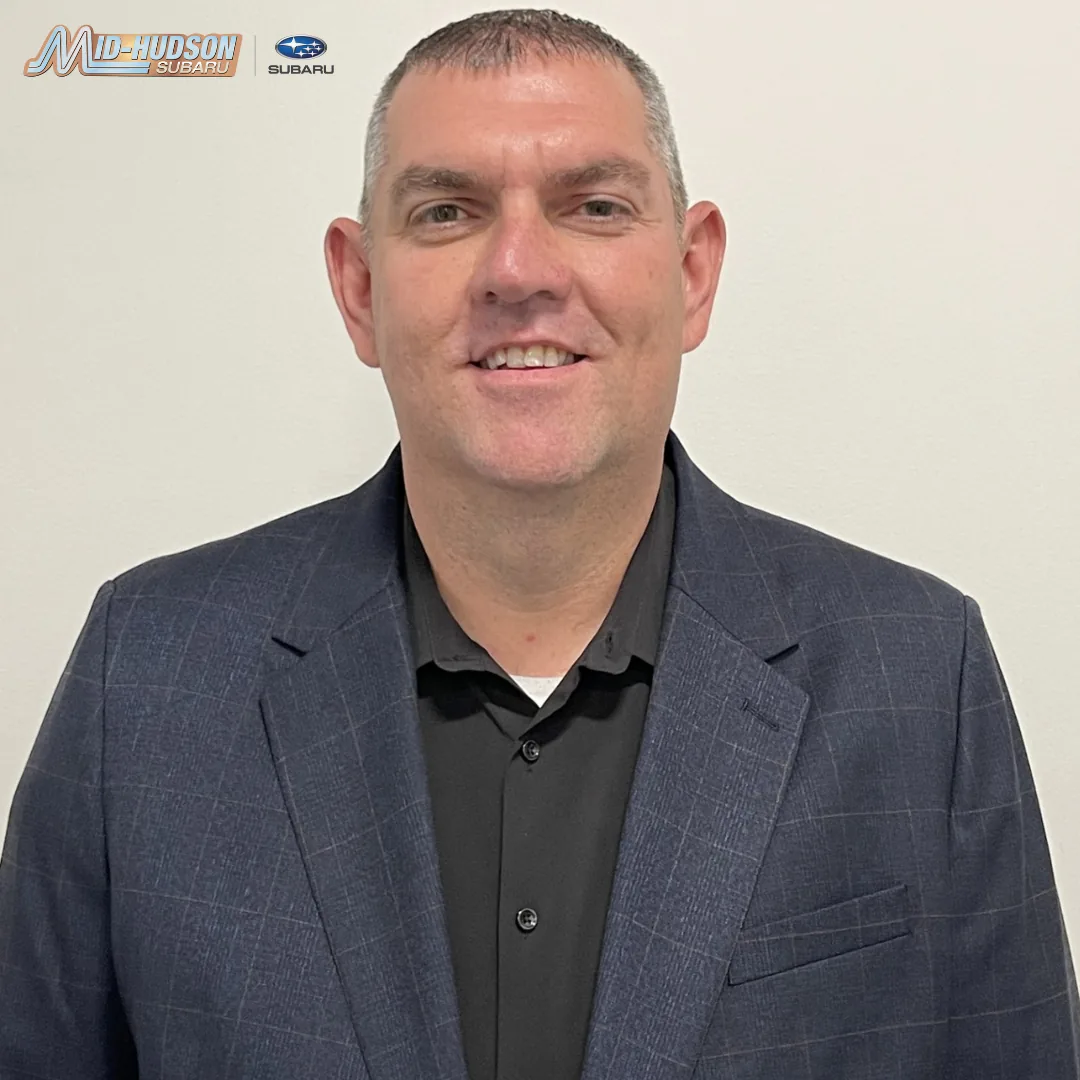
"EyeSight comes up in almost every Forester conversation we have here in Wappingers Falls. Hudson Valley roads - especially the Taconic and Route 9 - have plenty of situations where adaptive cruise and pre-collision braking earn their keep. Most buyers agree the $2,300 premium-over-base is worth it after the first month."
General Manager, Mid Hudson Subaru
EyeSight vs. Competing Safety Systems
Honda Sensing (on the CR-V) and Toyota Safety Sense 2.0 (on the RAV4) are EyeSight’s primary competitors. All three systems include adaptive cruise, pre-collision braking, and lane departure features. The meaningful differences lie in how they perform in edge cases.
EyeSight uses dual cameras; Honda Sensing uses camera plus radar. This gives Honda Sensing slightly better performance in adverse weather. Toyota Safety Sense 2.0 uses a monocular camera plus millimeter-wave radar combination. In IIHS front-crash prevention tests, all three earn “Superior” ratings - the differences are marginal for the vast majority of real-world driving conditions.
The practical consideration for Long Island and Hudson Valley buyers is trim availability. EyeSight requires the Forester Premium ($30,195), while Honda Sensing and Toyota Safety Sense come standard even on base CR-V and RAV4 trims.
Real-World Use in the Hudson Valley and Long Island
On the Taconic State Parkway between Wappingers Falls and Poughkeepsie, adaptive cruise control with traffic-responsive following manages lane changes and merges more comfortably than fixed-speed cruise. The pre-collision system engages noticeably when a slower vehicle cuts in front - the braking intervention is smooth and gradual rather than sudden.
On Long Island’s Meadowbrook Parkway and LIE, lane centering and adaptive cruise reduces the cognitive load of stop-and-go commuting. Drivers who make the Hicksville-to-Manhattan commute regularly note that the system genuinely changes the experience of 45-minute parkway drives.
Explore the Forester with EyeSight in person: browse Forester inventory at Mid Hudson Subaru in Wappingers Falls.
EyeSight FAQ
What trims on the 2026 Forester include EyeSight? EyeSight is standard on the Premium, Sport, Limited, Touring, and Wilderness trims. The base trim does not include EyeSight.
Does EyeSight include blind-spot monitoring? Blind-spot detection and rear cross-traffic alert are separate features that also become available starting with the Premium trim, but they are not technically part of the EyeSight package. They’re included on Premium through Touring as standard.
Does EyeSight work in the snow? EyeSight’s camera-based system can be impaired by heavy snow, ice on the windshield, or thick fog. Subaru’s system will alert the driver when it detects compromised visibility and disable active features. Clearing the windshield before driving in winter conditions ensures reliable performance.
Can I turn off EyeSight if I don’t want to use it? Yes. All EyeSight features can be individually turned off. Adaptive cruise can be switched to standard cruise, and lane departure alerts can be disabled when you prefer to drive without them. The system remembers your settings until changed.
Is EyeSight worth the $2,300 upgrade from the base Forester? For most Long Island and Hudson Valley commuters, yes. EyeSight at Premium trim also adds heated front seats, a power moonroof, and blind-spot monitoring - making the total package upgrade genuinely valuable, not just the safety system alone.
Visit Mid Hudson Subaru in Wappingers Falls
Mid Hudson Subaru serves Dutchess County and the Hudson Valley from its Wappingers Falls location, with easy access from Poughkeepsie, Fishkill, and Beacon. The team can demonstrate EyeSight in a test drive so you can see each feature in action.
Schedule a Forester test drive or contact us with questions before your visit.
Ready to see it in person? Visit any of our VIP Automotive Group Subaru locations:
Safety data sourced from NHTSA vehicle ratings and IIHS crash test results.