

Range is the primary concern for most EV buyers, and the question has practical weight for Hudson Valley drivers whose use patterns — Taconic Parkway commuting, Catskill weekend trips, and rural Dutchess County driving — differ from the urban cycle assumptions that EPA range estimates are built on. The 2026 Subaru Solterra offers more range than its predecessor, and understanding what that range means in real-world Hudson Valley conditions is the most useful preparation for EV ownership.
Bottom Line: The 2026 Solterra has more range than the prior model. EPA-estimated figures should be understood as ideal-condition benchmarks; real-world range in Hudson Valley conditions depends on temperature, driving speed, terrain, and use of climate systems. Plan for approximately 20-30% range reduction in winter cold.
- 2026 Solterra offers improved range over the prior model’s 228-mile EPA figure
- Cold weather reduces range: plan for approximately 160-180 miles on cold winter days
- Highway speeds above 65 mph reduce range relative to city/mixed driving estimates
- DC fast charging via NACS port covers longer trips efficiently
- Home Level 2 charging handles most daily use comfortably
Understanding EPA Range vs. Real-World Range
EPA range estimates are generated under controlled laboratory conditions using a standardized drive cycle that mixes city and highway speeds at moderate temperatures. For the Solterra, these conditions do not fully represent the variety of driving situations Hudson Valley owners encounter.
What reduces range relative to EPA estimates:
- Cold temperatures below 40°F — battery chemistry is less efficient in cold, and cabin heating draws from the main battery
- Highway speeds above 65 mph — aerodynamic drag increases with the square of speed
- Aggressive acceleration — the electric motors deliver full torque on demand; frequent hard acceleration is the fastest path to reducing range
- Hilly terrain — the Taconic Parkway’s elevation changes and the Hudson Valley’s topography consume more energy than flat-road EPA estimates assume
- Heavy payload or towing — additional weight and drag reduce range proportionally
What improves or maintains range:
- Regenerative braking — stop-and-go driving in the Hudson Valley actually enables more energy recovery than pure highway driving
- Pre-conditioning the battery — warming the battery before driving in cold weather improves efficiency
- Moderate cabin temperature settings — high cabin heat in winter is the primary battery drain beyond propulsion; seat heaters and radiant leg heaters are more efficient
- Charging to 100% the night before cold winter days — maximizes available range before cold-weather reduction occurs
Hudson Valley Driving Scenarios
Daily Taconic Parkway commute (Wappingers Falls to Poughkeepsie, 15-20 miles each way): A 30-40 mile daily round trip is well within the Solterra’s range even in winter conditions. A home Level 2 charge overnight comfortably covers this pattern indefinitely. Buyers with this commute profile have essentially no range concern with the Solterra.
Longer Hudson Valley to Westchester or lower Hudson commute (40-60 miles each way): An 80-120 mile daily round trip remains within the Solterra’s range in summer conditions. In cold winter conditions, this distance approaches the practical range limit on a single charge. Buyers with this commute should ensure home Level 2 charging is reliable and available, and may want to identify workplace or destination charging options to supplement on cold days.
Weekend trips to the Catskills (Hunter, Woodstock, Phoenicia — 60-80 miles from Wappingers Falls): These destinations are within the Solterra’s single-charge range from a full overnight home charge. Catskill destination charging availability is expanding; planning a charge at a destination with public Level 2 access provides buffer for the return trip.
Hudson Valley to New York City (approximately 90-100 miles): A one-way trip to New York City is within the Solterra’s range in summer conditions. In winter, this trip may require a brief DC fast charge en route or on the return — which the NACS port makes straightforward via Tesla Supercharger stations at multiple points along I-87.
Hudson Valley to Albany (approximately 90 miles): Similar range requirements to the New York City trip. The I-87 corridor has Supercharger coverage for convenience charging on longer travel days.
Winter Range in the Hudson Valley
Cold weather range reduction is the most significant real-world concern for Hudson Valley Solterra owners. Hudson Valley winters — with January temperatures regularly in the teens and 20s — place the Solterra in the range where battery thermal management and cabin heating have the greatest impact on effective range.
Practical winter planning:
- Charge to 100% overnight before cold days — maximize starting range before cold-weather reduction occurs
- Pre-condition the battery and cabin — the Solterra can be scheduled to warm the battery and cabin before departure while still connected to the charger, using grid power rather than battery power for warmup
- Use seat heaters and radiant leg heaters (Limited XT and Touring XT) instead of high cabin air temperature — targeted heating is more efficient than heating the full cabin volume
- Reduce highway speed slightly — 60 mph vs. 75 mph makes a meaningful difference in winter range
- Plan for charging on days with longer trips — a 15-20 minute DC fast charge at a Supercharger adds significant range buffer on longer cold-weather drives
Charging Strategy for Most Hudson Valley Owners
Daily home charging: Level 2 overnight charging handles the vast majority of Hudson Valley daily driving. Charge to 80% for regular daily cycles (better for long-term battery health); charge to 100% before planned longer trips or cold weather days.
Public Level 2: For destinations where extended parking is available — employers with workplace charging, destination charging at Hudson Valley attractions, hotel charging — Level 2 public charging adds meaningful range during the time the vehicle is parked.
DC fast charging (NACS/Supercharger): Reserve DC fast charging for longer trips that require mid-journey replenishment. A 20-30 minute Supercharger session during a rest stop adds substantial range and fits naturally into travel routines without meaningfully extending trip time.
Battery Longevity and Warranty
The Solterra’s battery is warranted for capacity retention above 70% for 8 years or 100,000 miles — whichever comes first. This warranty provides meaningful protection for the primary value component of an EV: buyers who experience significant battery degradation below the warranty threshold within the coverage period are protected under the manufacturer’s coverage.
Battery degradation in real-world EVs varies based on usage patterns, charging habits, and climate exposure. Avoiding regular 100% charges (except when needed for trip range), minimizing DC fast charging as a daily routine (use Level 2 for regular daily charging), and parking in a garage during extreme cold all extend battery longevity beyond the warranty floor.
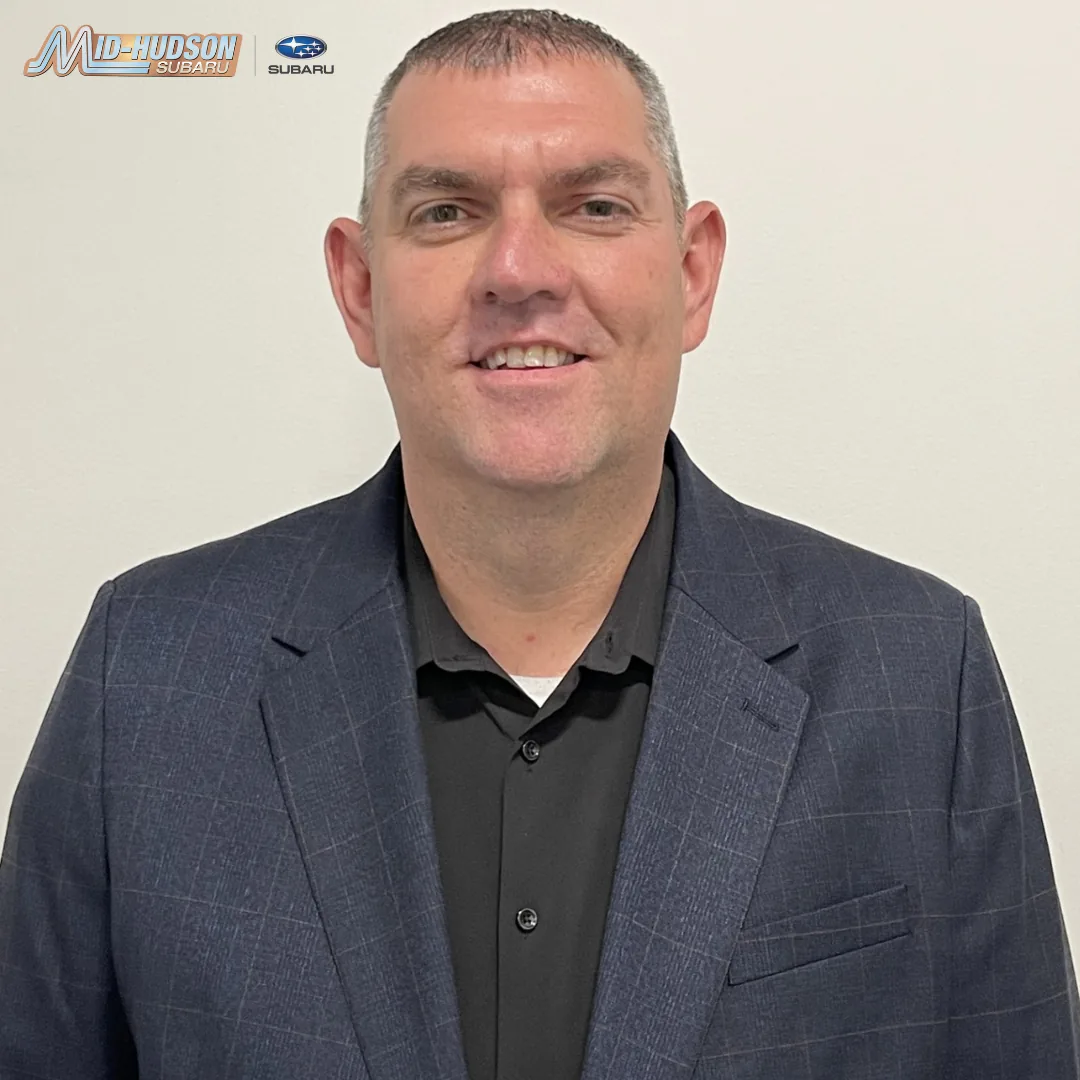
"The range question is the one that takes the most time in an EV conversation. Once buyers map their actual driving patterns to what the Solterra can do — including the honest winter reduction — most of them realize the range is adequate for everything they actually do. The NACS port eliminates the trip anxiety, because Superchargers are everywhere now. The buyers who struggle with EVs are the ones who try to use it like a gas car. The ones who succeed plan around the home charge and treat Superchargers as a convenience for long days, not a necessity for everyday driving."
General Manager, Mid Hudson Subaru
🧮 EV vs. Gas Savings Calculator: See exactly how much you could save on fuel by switching to this electric model. Try the free calculator →
🧮 EV Battery Range Estimator: Estimate real-world range based on weather, speed, and your driving style. Try the free calculator →
Fuel economy figures from EPA fuel economy estimates. Actual mileage varies with driving conditions.
Frequently Asked Questions
How much range does the 2026 Solterra have? The 2026 Solterra offers improved range over the prior model’s 228-mile EPA estimate. Confirmed EPA-rated figures for the 2026 should be verified with Mid Hudson Subaru, as final EPA certification for the updated model year may be published after the vehicle arrives in market.
Is the 338 HP XT version’s range lower than the 233 HP standard version? Higher output configurations typically have equal or slightly different range due to their motor and power delivery calibration. Contact Mid Hudson Subaru for specific range comparisons between the standard and XT output configurations.
Does running the heat in winter significantly reduce range? Yes. Cabin electric heating is one of the larger auxiliary battery draws in an EV. Using seat heaters and the radiant leg heater (available on Limited XT and Touring XT) in combination with a moderate cabin temperature setting — rather than maximum heat — is the most efficient approach to winter cabin comfort.
Should I charge to 100% every night? For long-term battery health, regular charging to 80-90% is preferable to daily 100% charges. Charge to 100% the night before longer trips or days with cold weather range reduction concerns.
Talk Through Your Driving Patterns at Mid Hudson Subaru
Browse current Solterra inventory at Mid Hudson Subaru or contact the team to discuss your specific commute and driving patterns against the Solterra’s range profile before purchasing.